A local crew in Farmington, on the phone around the clock. Active leaks anywhere in Davis County are prioritized on the schedule.
None of this needs a roofer. All of it makes the next few days easier, and two of them materially affect what your insurance pays.
Some roof problems are a scheduling conversation. These are the ones where the damage grows while you think about it.
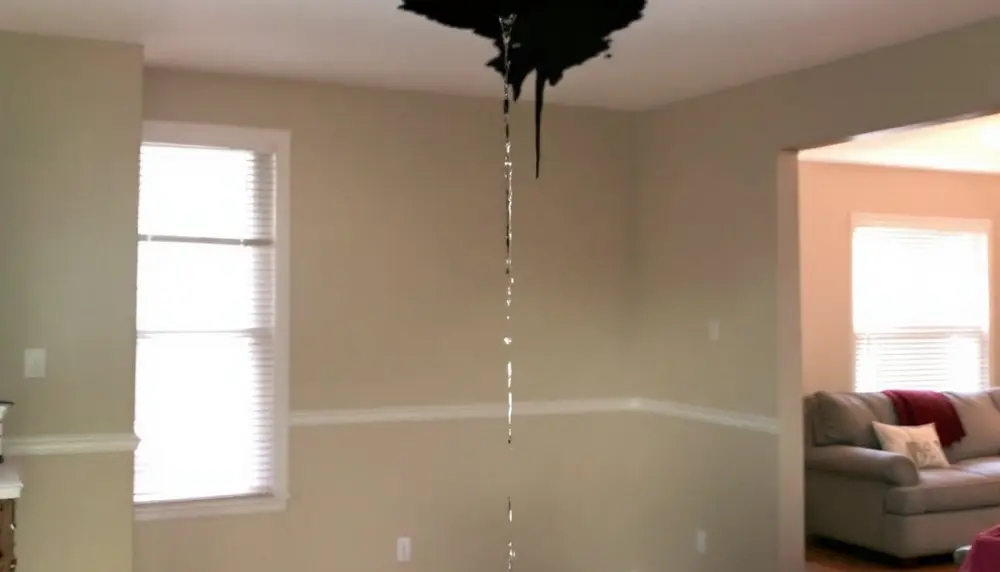
The clearest emergency there is. Move what's underneath, catch what you can, and call. Active leaks go to the front of our schedule.
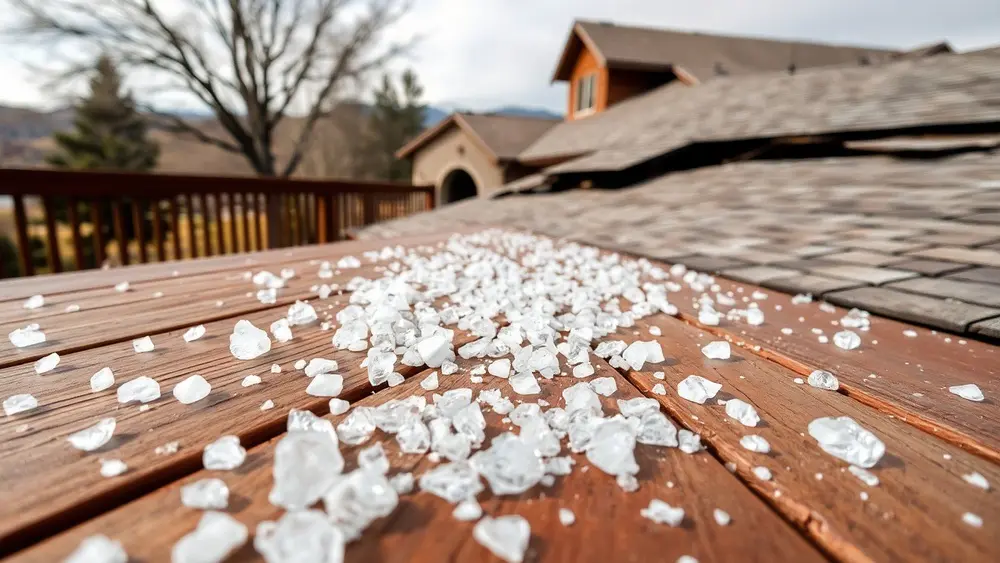
Big hail opens shingles and dents vents. It may not leak tonight, but the next rain finds every crack. Same-week inspections after storms.
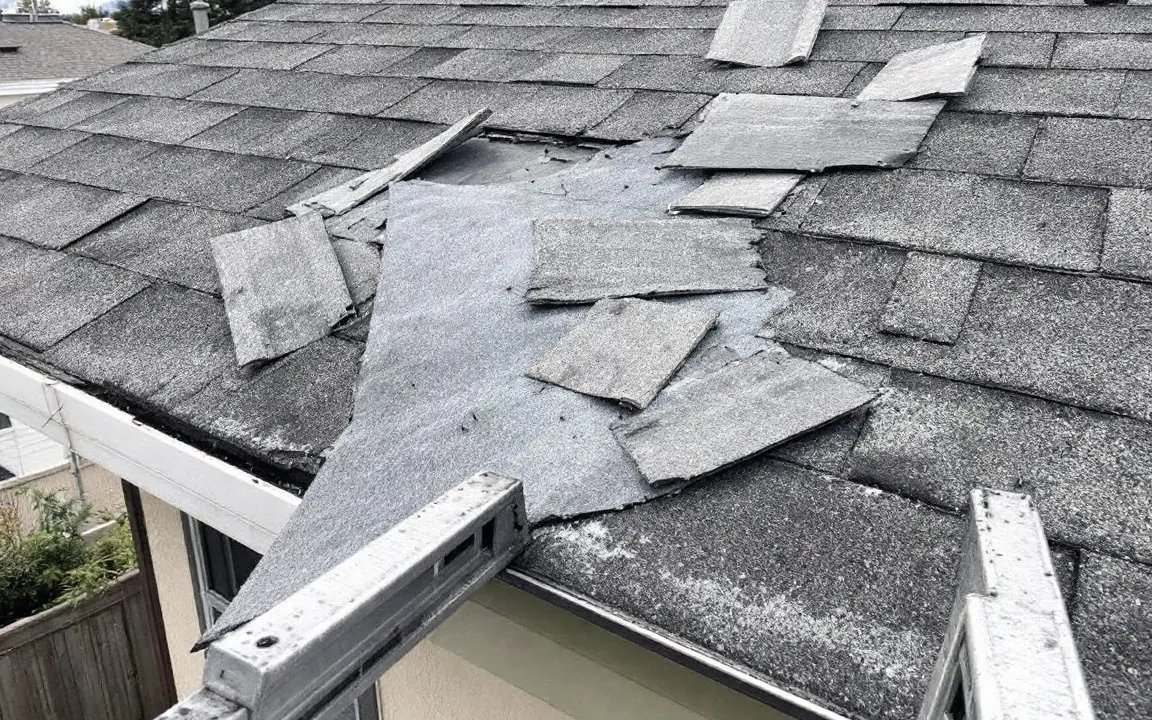
Canyon wind peels tabs and takes whole shingles. Bare underlayment holds for a while; bare decking doesn't. Get it covered before the next storm.
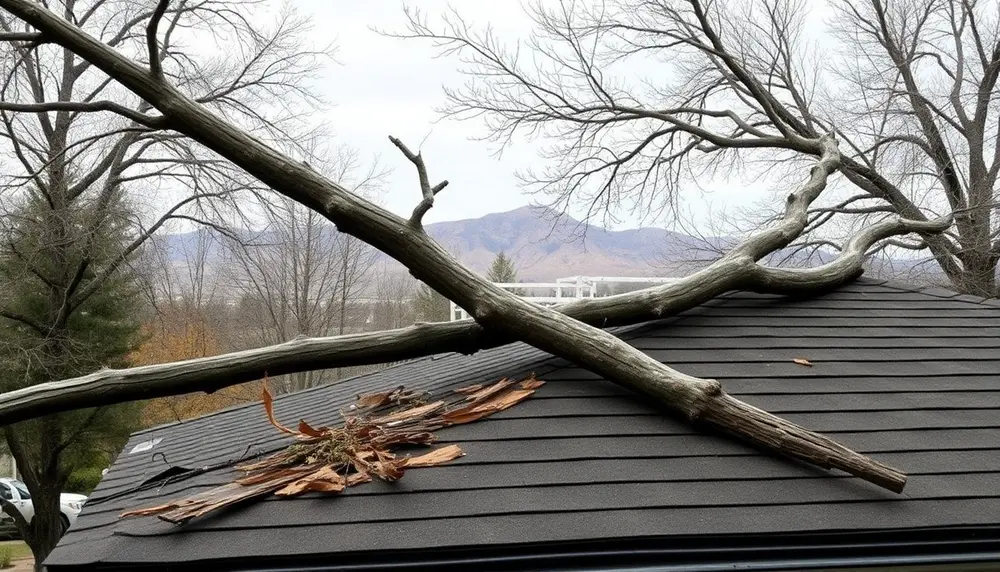
A branch, a trampoline, a neighbor's fence panel. Impact damage needs tarping the same day and a proper look before the hole gets bigger.
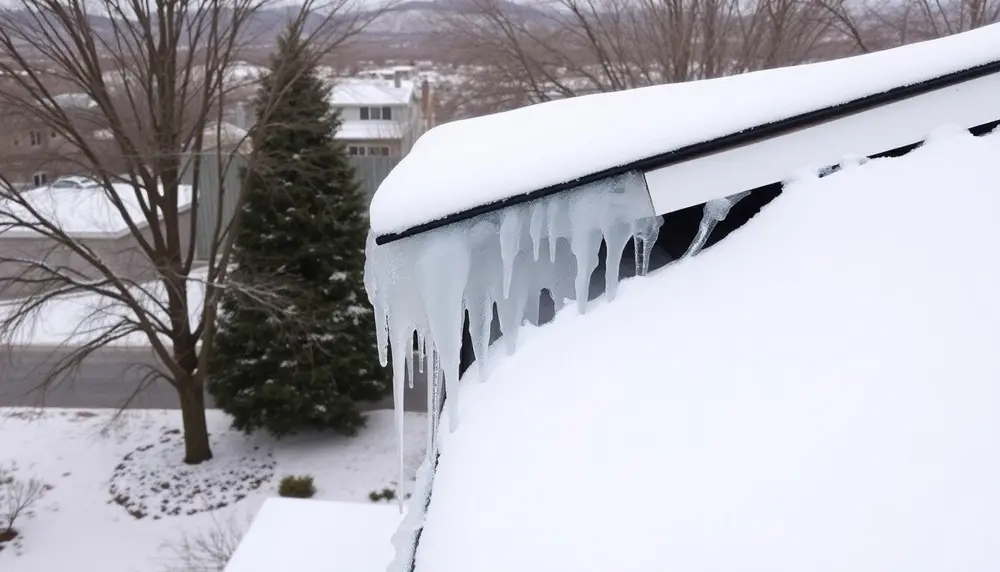
Every Wasatch Front winter. Water backs up behind the ice and comes in at the exterior walls. We clear it safely and fix the ventilation that causes it.
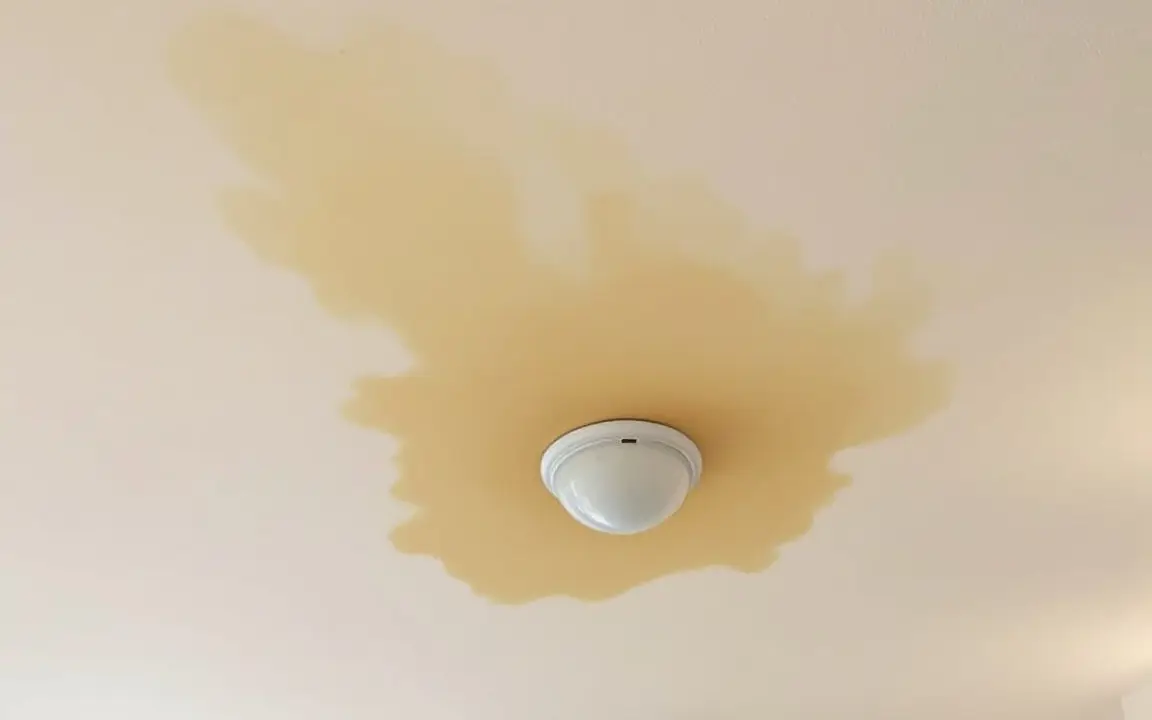
A new ceiling stain after weather means water is moving right now. Photograph it, note the date, and call while the trail is fresh.
An emergency call is two jobs. The first is getting water out of your house tonight. The second is making sure that in three weeks you can show an adjuster exactly what the storm did, which is far harder to do after everything has dried out and been cleaned up.
If a storm caused it, the same photos start the insurance conversation. If it turns out to be wear rather than weather, we'll tell you that too, and a planned repair is a calmer, cheaper conversation than an emergency one. Hail rather than a leak? Here's what to do in the first 48 hours.
We're a local crew, not a national call center. Our hours are Open 24/7, and when you call you'll talk to a person who knows the roofs here.
If water is actively coming into your house, call anyway, whatever the hour. Leave a message with your address and what you're seeing. Active leaks are prioritized the moment we pick up, ahead of estimates and ahead of planned work, and the list above is what we'd tell you to do on the phone regardless.
How fast someone gets on the roof depends on the weather and whether it's safe to be up there. We'd rather tell you that plainly than promise a truck and not send one.
📞 Call (385) 329-1509Call any time, the line is answered around the clock. Leave your address and what you're seeing. We'll get someone out as soon as it's safe to be on the roof; if it's mid-storm or iced over, we'll talk you through protecting the inside until it is.
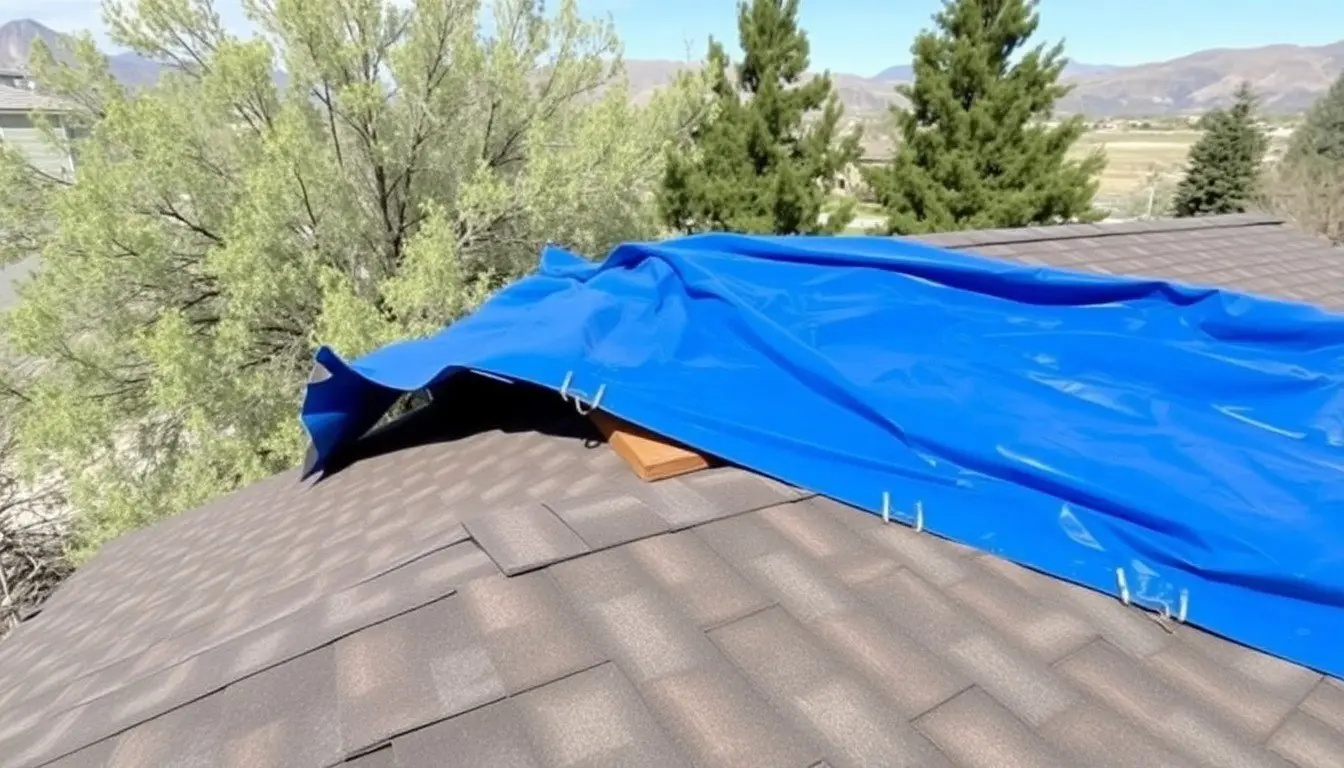
Usually, yes, when the roof is safe to get on. Temporary weatherproofing comes first on an emergency call, so the next storm doesn't add to the damage before the real repair.
Often, as part of the storm claim, and carriers generally expect you to prevent further damage. Keep the receipt and the photos. Your policy is the final word; ask your carrier.
How claims work →Please don't get on a wet or icy roof. If you can safely place a bucket and photograph the damage from inside, that's the most useful thing you can do tonight.
Don't chip at it; that breaks shingles. We remove ice dams safely and fix the attic ventilation and insulation that cause them, which is the only real cure.
We aim for same-day or next-morning on an active leak, depending on the hour. After a big storm the whole county calls at once and we work the list in order, leaks first.
The faster we know where the water is coming in, the less of your house it gets to.