
Flat roof & TPO roofing for Utah homes
The low-slope roofs over porches, additions, garages, carports and dormers can't shed water like a pitched roof. We repair and replace them, including heat-welded TPO, across Davis County and the Wasatch Front.
Free flat roof estimate
We'll check the flat section and the roof around it, then give you a written estimate.
We use your details only to set up your inspection. Privacy policy
Where low-slope roofs go wrong in Utah
A flat roof has to drain, carry snow and keep its seams tight through Utah winters and high-altitude summers. Here's what we check first.
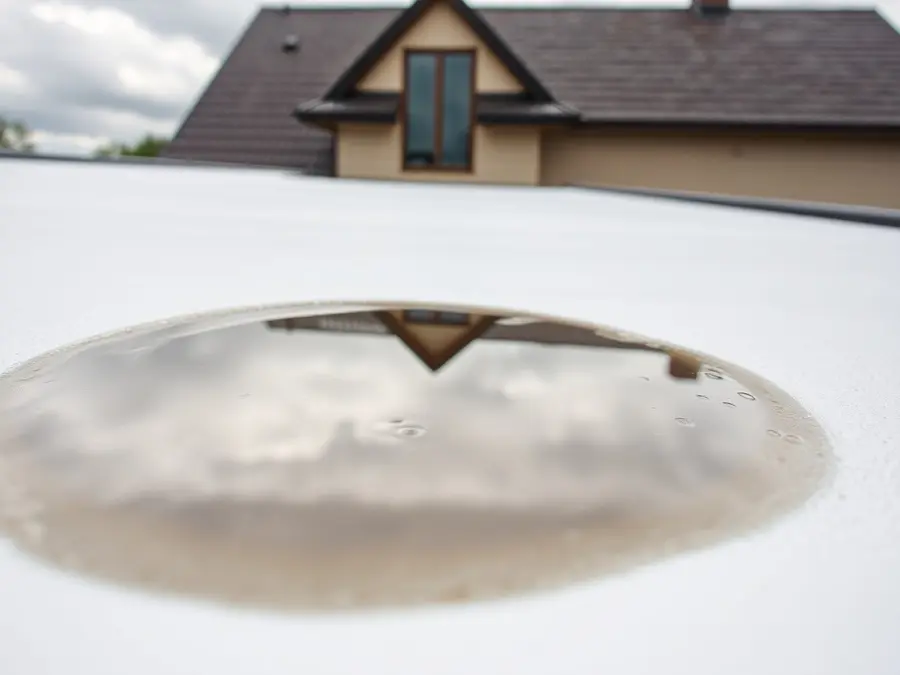
Water that stays put
A flat roof should slope slightly toward a drain or edge. The National Roofing Contractors Association treats water still standing 48 hours after rain as ponding: extra weight, sitting on every weak seam. We find the low spots and why they're there.
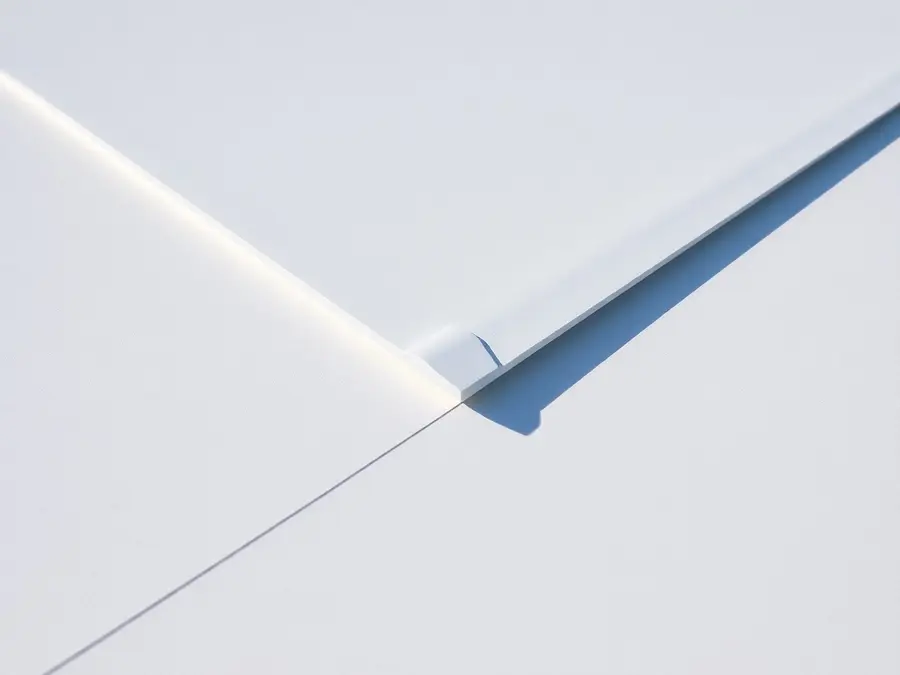
Seams welded, not glued
TPO goes down in wide sheets, and the overlaps are welded with hot air so the layers fuse into one. On any membrane, lifted seams and loose edges are common leak points, so they're the first things we check.
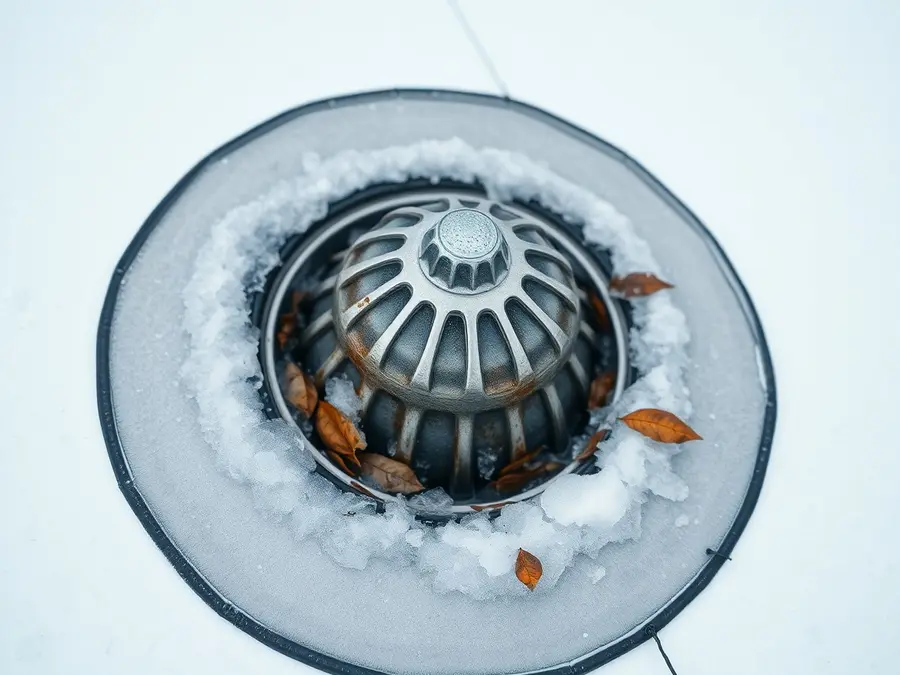
Drains that freeze shut
Drains, scuppers and edge gutters are how a flat roof empties. Leaves in October and ice in January plug them, and water backs up under the flashing. We check every outlet, including the overflow if there is one.
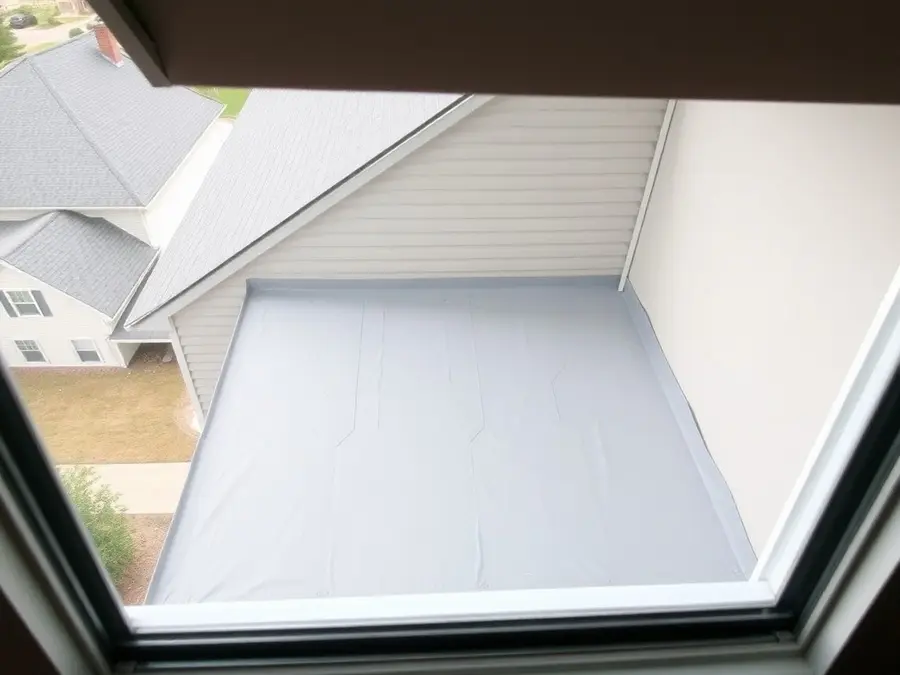
Where flat meets pitched
On a house, the flat part usually ties into a pitched roof: a porch under a second-story wall, an addition, a garage. Water runs fast off the slope and slows at the joint, a common place for leaks to start.
Snow that drifts and sits
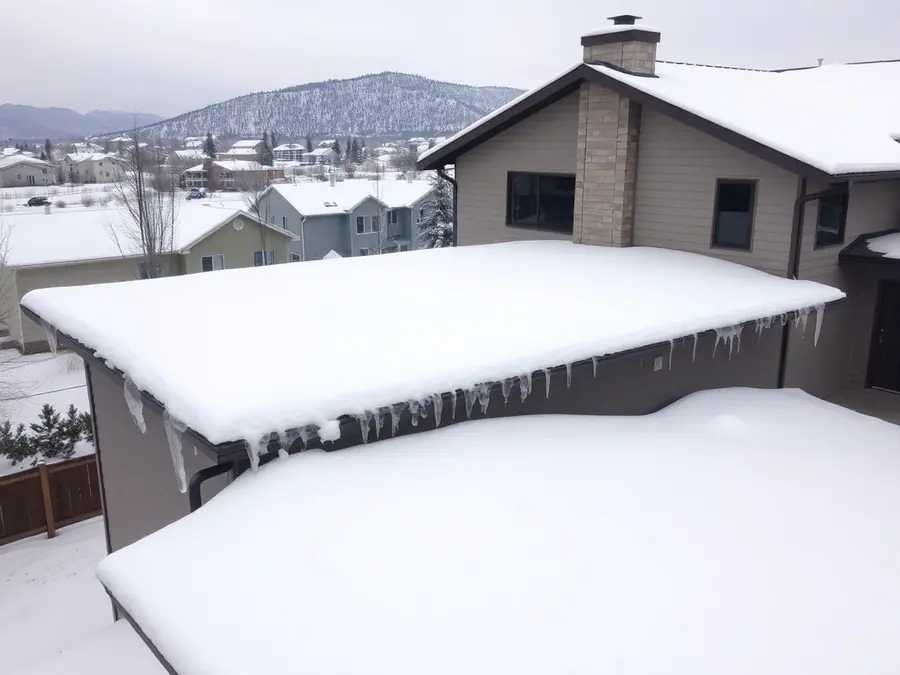
Snow slides off a steep roof but stays on a flat one, and wind piles it against walls and parapets. Your building department sets the snow load a roof is built for. We look for sagging, ceiling stains and ice at the edges.
White, for altitude sun
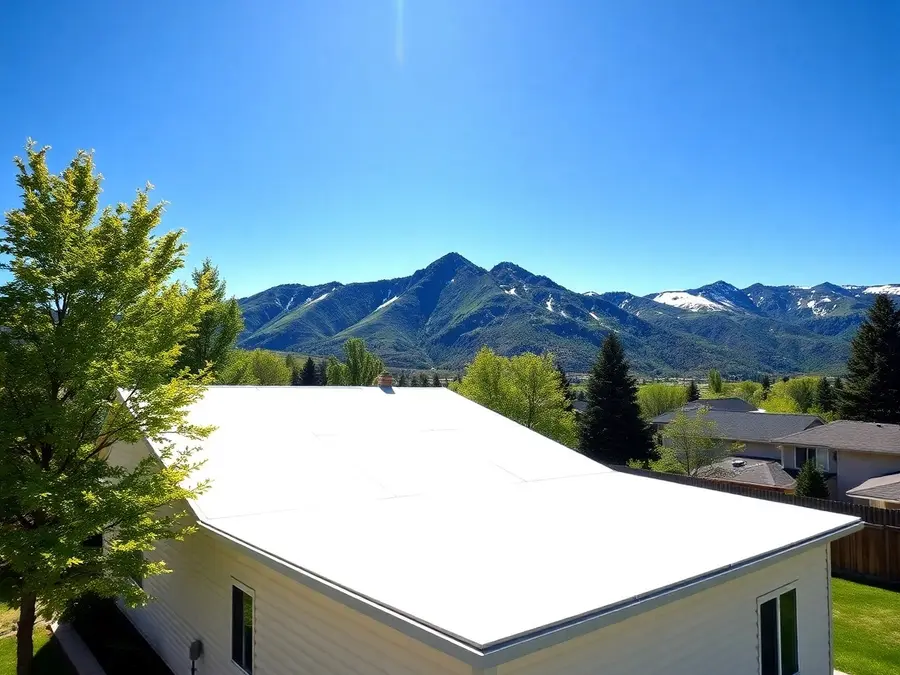
At 4,300 feet the summer sun is hard on a roof that faces it all day. TPO usually goes on white, reflecting much of the heat a dark roof soaks up, which can help the room below stay cooler.
TPO, rubber or modified bitumen?
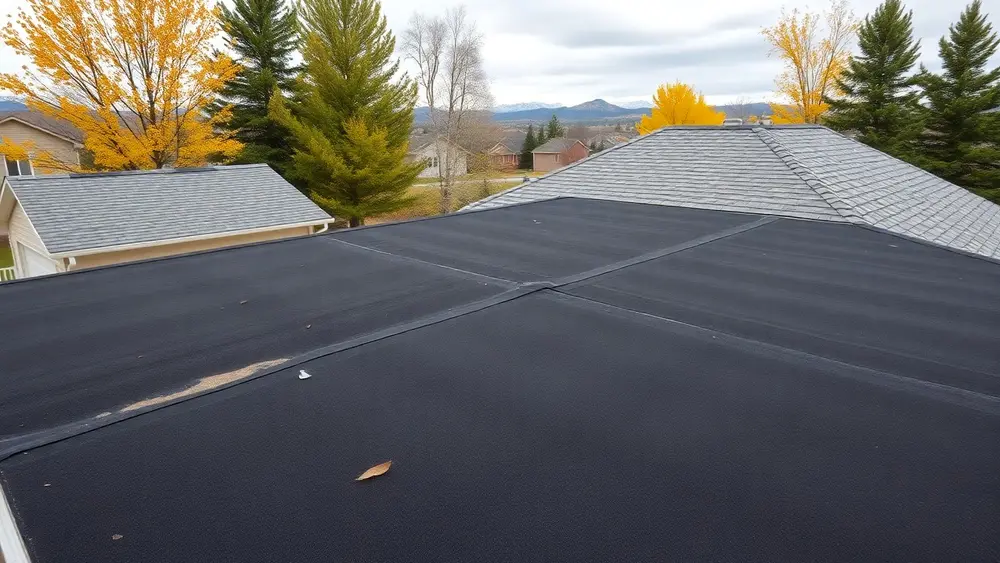
Utah homes usually have one of three membranes. TPO is a white or light single-ply sheet with heat-welded seams, a common choice for a new flat roof and one we install. EPDM is black synthetic rubber; its taped or glued seams are where it tends to give out. Modified bitumen is rubberized asphalt in layers, often with a gritty top.
- Already TPO: we check the welds, edges and drains, and repair what's failing
- EPDM or modified bitumen: we tell you whether a repair or a replacement makes sense
- A leak where flat meets pitched: sometimes just a flashing repair
Not sure the flat section is the problem? Start with roof repair, or see how a full roof replacement works.
How a flat roof job works
Repair or replacement, the steps are the same.
Inspect & photograph
We check the membrane, seams, edges, drains and the joint with the pitched roof, and photograph what we find.
The honest call
Repair or replace? We tell you which side of the line the flat section is on and why. If a repair will hold, that's what we recommend.
Written scope
Repair or replacement, what's included and why, itemized in plain language. Hail or wind damage? We help with the insurance side.
Permit & schedule
When the work needs a permit, we pull it with your city, then schedule around your life and the weather.
Install
The repair or new membrane goes on, with seams, edges, drains and transitions detailed to the manufacturer's instructions and the local code.
Final walk-through
We clean up, walk the roof with you, and hand over photos of the details you'd need a ladder to see.
What the code says about flat roofs
Utah homes are built under the state's adopted International Residential Code (IRC). A few of its rules shape every flat roof; your building department confirms the specifics for your address.
- Flat isn't flat. TPO, EPDM and modified bitumen need a design slope of at least 1/4 inch per foot (IRC R905.11 through R905.13).
- Drains at the low points. Unless a roof drains over its edges, it needs a drain at each low point, plus an overflow drain or scupper where a raised edge would trap water (IRC R903.4 and R903.4.1).
- Shingles need pitch. Asphalt shingles need a slope of 2 in 12 or steeper (IRC R905.2.2). Below that you need a low-slope roof covering, usually a membrane like TPO, or standing seam metal at some pitches.
- Snow load is local. Your building department sets it.
Somewhere between flat and steep, like a porch roof? We'll tell you whether shingle or metal works at your pitch, or whether a membrane is the right call. On the steeper parts of the house, we also repair and replace wood shake and composite roofs.
Reviews from Wasatch Front homeowners
"Thank you very much for beautiful perfect roof. Hardworking well coordinated crew. Will hire again."
"Amazing job Edgar give me the best estimate for my roof replacement they arrived 7a by 5p same day they were done highly recommended Denali Roofing."
Davis County flat roof FAQ
When is a roof too flat for shingles?
Any roof under 2 in 12, the code minimum for asphalt shingles. Below that you need a low-slope system, usually a membrane like TPO, and it still isn't meant to be dead level: code calls for at least 1/4 inch per foot so water reaches a drain or an edge.
Why does water sit on my flat roof, and when is it a problem?
A little water right after a storm is normal. The industry rule of thumb is 48 hours: if it's still there two days after the rain stops, in drying weather, it's ponding. That usually means a low spot, a sagging deck or a blocked drain, and it's worth fixing before it freezes.
What if my flat roof isn't TPO?
Plenty of Utah homes have black rubber (EPDM) or modified bitumen, rolled asphalt sheets with a gritty top. We'll tell you how much life yours has left and whether a repair or a replacement makes sense.
Can the flat section be redone while the shingles stay?
Yes. If the flat section is worn out and the pitched roof is sound, we replace the flat part alone and tie it back in at the joint. If both are near the end, doing them together means that joint is built once.
How a replacement works →Should I shovel snow off my flat roof?
Usually not. Roofs are built for the snow load your building department sets, and shovels and ice picks cut membranes. Call us if you see sagging, new ceiling cracks or stains, or deep drifts against a wall. If snow must come off, use a roof rake from the ground, leave a few inches, and never chip at ice.
Does insurance cover hail damage on a flat roof?
It depends on your policy and what the hail did. Hail can bruise or puncture a membrane and dent metal edges and drains. We document the damage for you and your adjuster; your insurance company decides what's covered.
How insurance claims work →Get your free flat roof estimate
We'll check the membrane, seams, drains and the joint with the rest of your roof, photograph what we find, and give you a written, itemized estimate.
Request your estimate
We use your details only to set up your inspection. Privacy policy